7 signs a loved one may need help at home
Small changes can be the first sign that extra support would help.
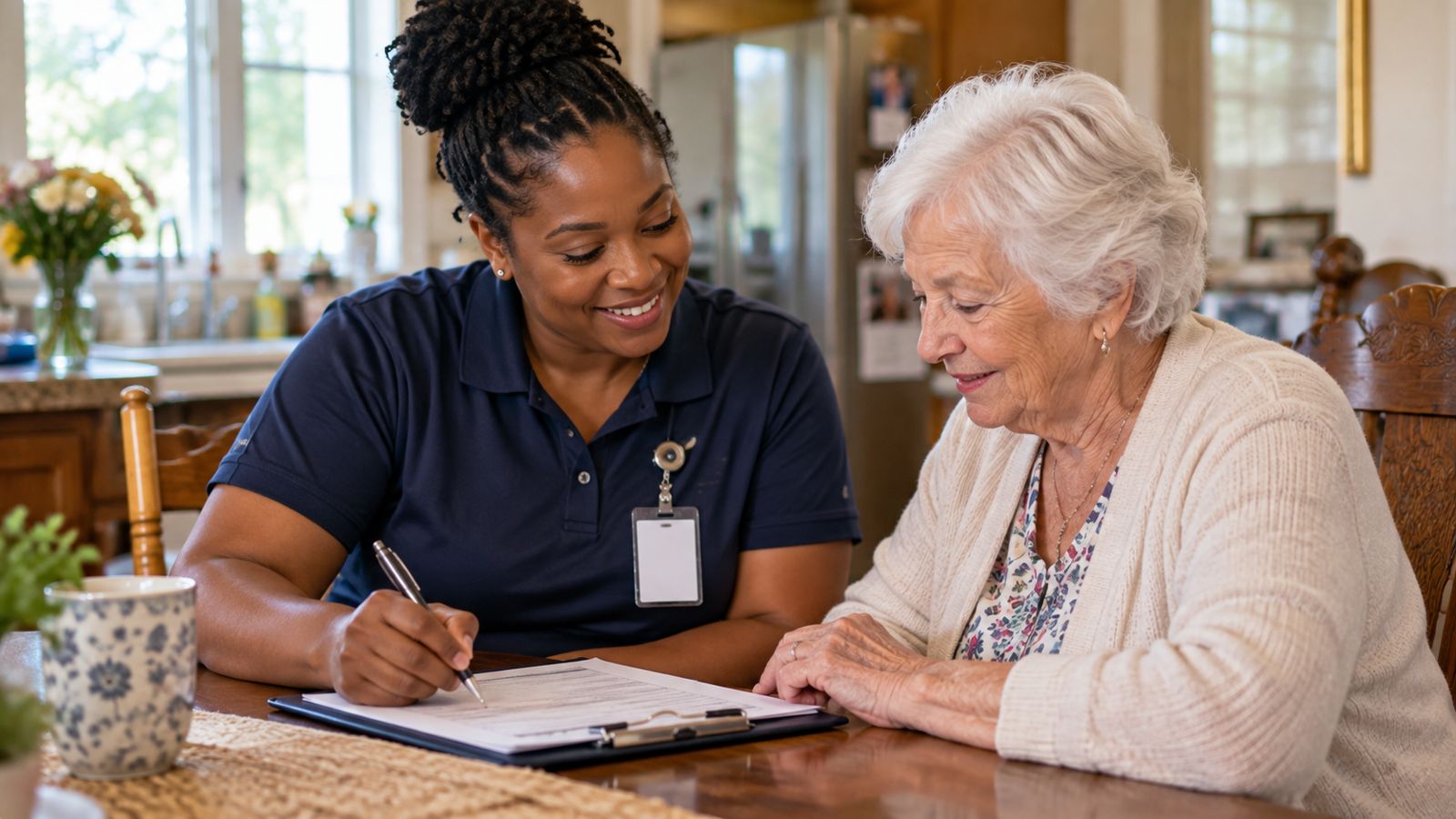
Needing help at home rarely happens all at once. More often, it shows up as small changes that are easy to miss, especially if you don’t see your loved one every day. Here are seven signs worth paying attention to.
1. Missed meals or an empty refrigerator
Spoiled food, very little food in the house, or noticeable weight loss can mean cooking and shopping have become hard.
2. Changes in personal hygiene
Wearing the same clothes for days, skipping baths or showers, or unwashed hair can be a sign that bathing and dressing have become difficult or unsafe.
3. A messier home than usual
Piles of laundry, dirty dishes, or clutter in walkways can be a sign that housework has become too tiring. Clutter can also raise the risk of falls.
4. Falls, bruises or trouble getting around
Unexplained bruises, holding onto furniture to walk, or trouble getting up from a chair are important signs. Talk with their doctor about any fall.
5. Missed medications or appointments
Full pill bottles that should be empty, or forgotten doctor visits, can mean they need reminders and support to stay on track.
6. Unopened mail and unpaid bills
Stacks of mail or late notices can be a sign that daily tasks are becoming overwhelming.
7. Spending more time alone
Giving up hobbies, church or visits with friends can lead to loneliness. Companionship matters for health and happiness.
What to do next
If you notice one or more of these signs, start with a gentle, respectful conversation. Focus on what would help your loved one stay independent and comfortable at home, not on what they can no longer do. It also helps to talk with their doctor.
A little help, a few hours a week, can make a big difference. Pathway Home Care offers a free consultation to talk through what you are seeing and what kind of support might help.
Request a free consultationCall (405) 868-6143
This article is general information, not medical advice. If you notice sudden changes in health, memory or behavior, contact a doctor. In an emergency, call 911.